Exhibition visits
Spend time with contemporary work in a setting designed for looking, questioning and conversation.
Explore this option ↗Explore contemporary work, arrange a gallery visit and ask the questions that help you connect with a piece.
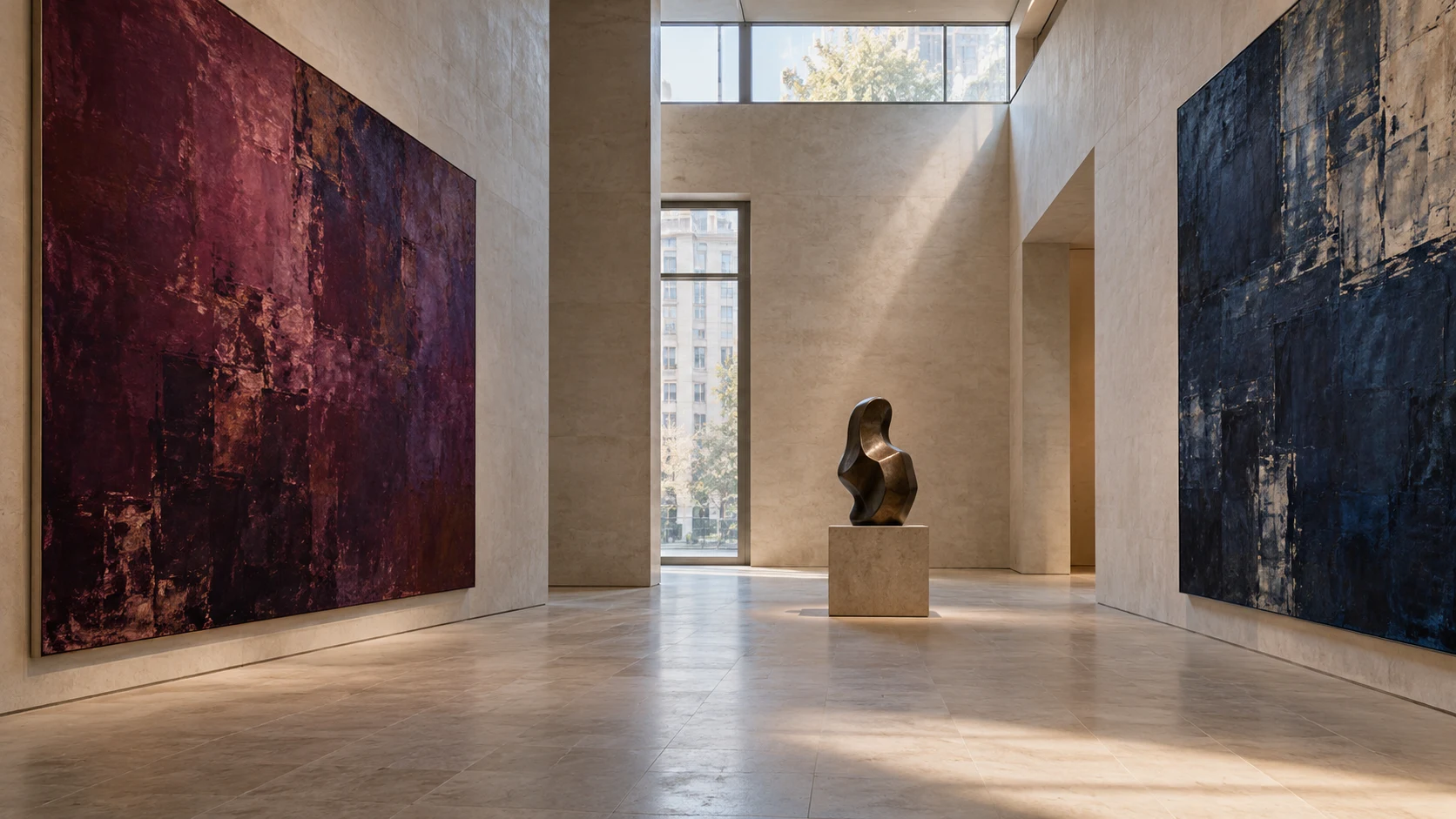
Scale, texture and space change what we notice. Our exhibition approach gives each work room to be experienced on its own terms.
View the exhibition ↗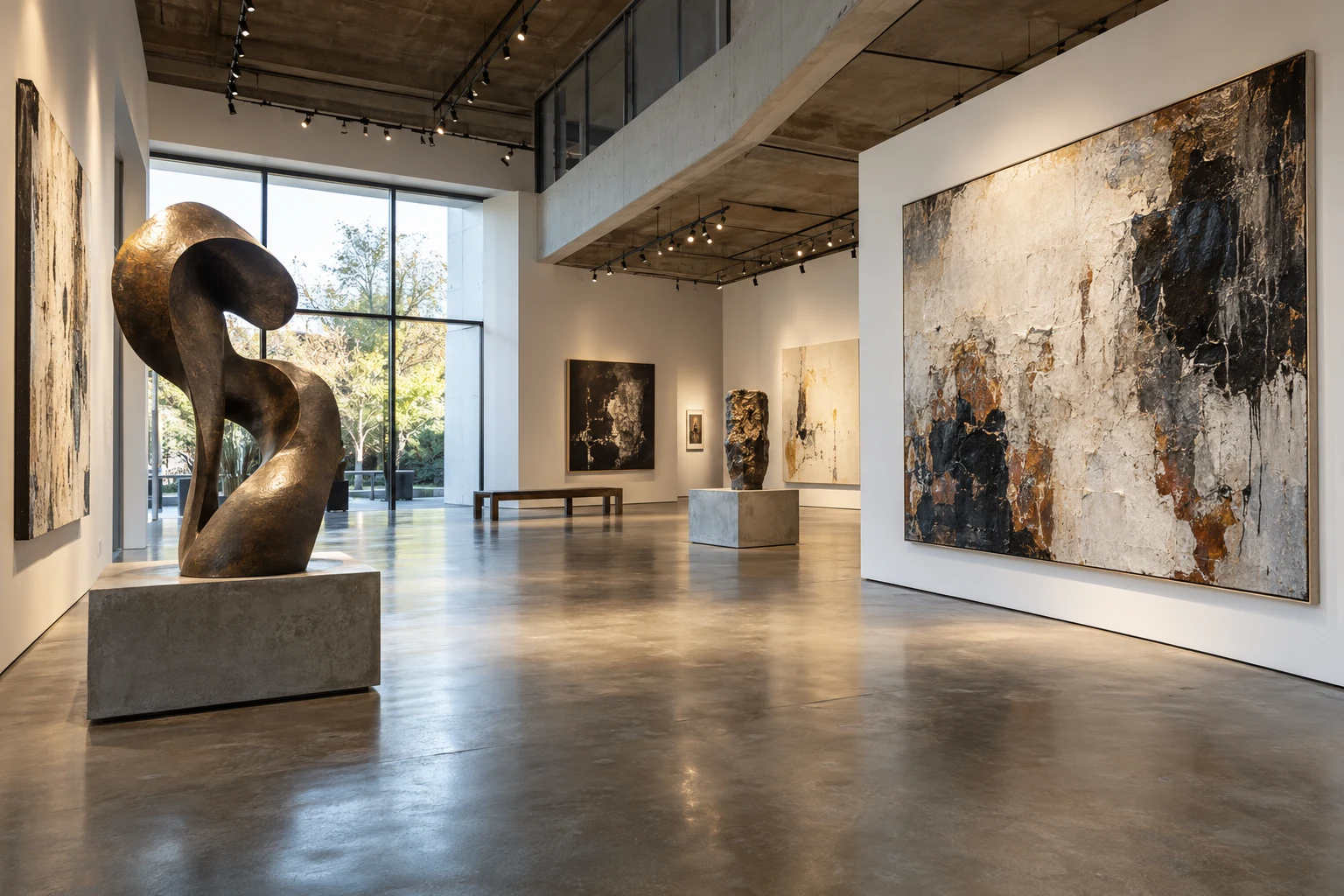
Three ways into a conversation about contemporary work.
Notice where your attention moves and how marks interact. Compare an immediate emotional response with what becomes visible after a longer look.
Discuss this direction ↗Explore surface, weight and the relationship between an object and the space around it. Consider how changing light might alter the experience.
Discuss this direction ↗Look at restraint, rhythm and the areas left open. A work can change the feeling of a room without competing for every moment of attention.
Discuss this direction ↗Scale, texture and space change what we notice. Our exhibition approach gives each work room to be experienced on its own terms.
Local service, planned around you
View the exhibitionAn independent space for contemporary work, unexpected connections and time spent looking.
Spend time with contemporary work in a setting designed for looking, questioning and conversation.
Explore this option ↗Arrange a quieter visit to explore selected work and discuss your interests at an unhurried pace.
Tell us more ↗Talk through scale, medium, placement and the information you need before considering a work.
Start here ↗Explore how a piece relates to a room’s proportions, light, materials and the way the space is used.
Explore this option ↗Request available information about a work, its materials and the artist’s approach.
Tell us more ↗Develop a considered direction for acquiring and living with art over time, one decision at a time.
Start here ↗There is no single right place to begin.
Spend time with material, scale, texture and composition.
Ask about the medium, context and presentation.
Discuss placement, light and care when choosing a piece.
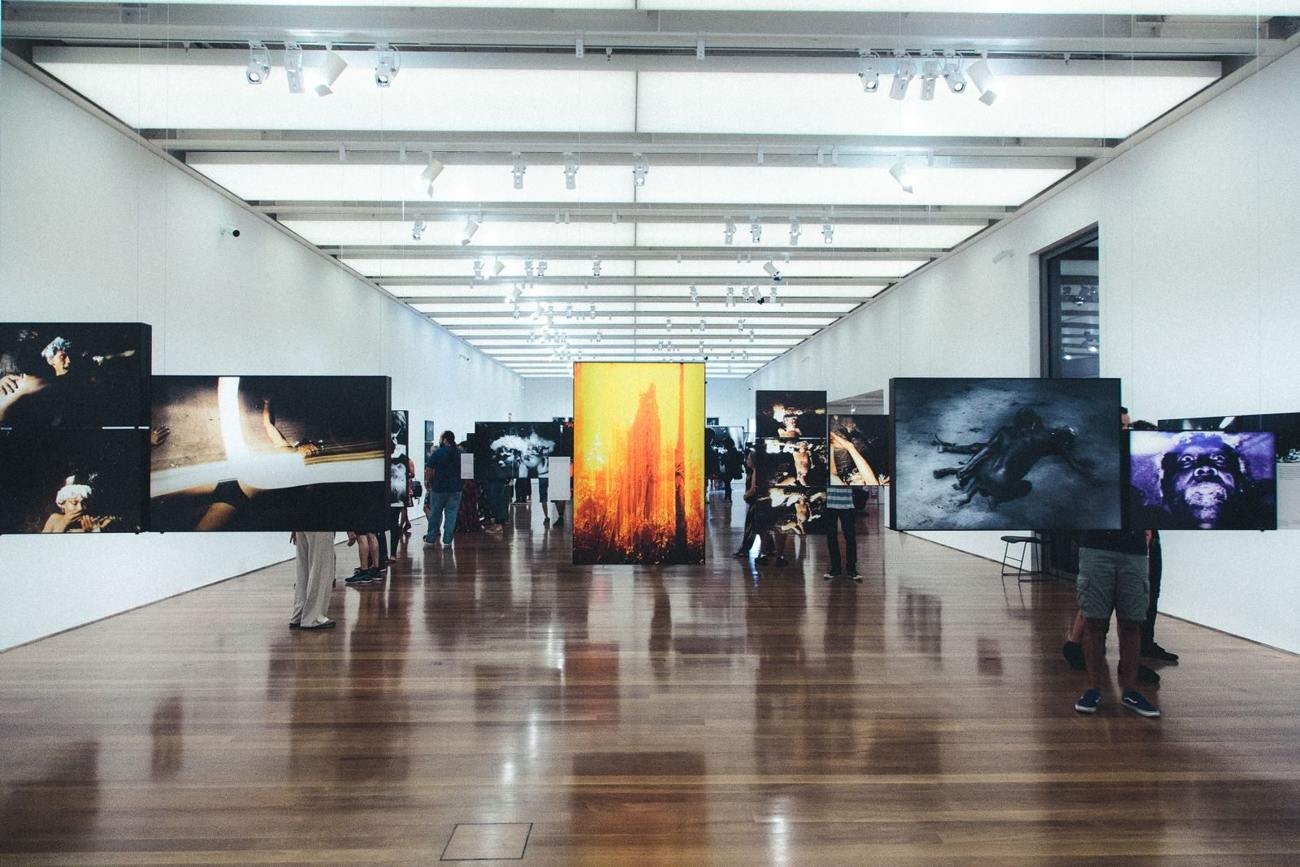
Scale, texture and space change what we notice. Our exhibition approach gives each work room to be experienced on its own terms.
Share a work, medium or space you are thinking about. You do not need a collecting vocabulary to start.
Discuss materials, dimensions, presentation and the questions that help you understand the work.
Review the available work details and any acquisition, transport or installation arrangements before making a decision.
Tell us what caught your eye or what you would like to see during a visit.
Notice scale, surface and how the work changes with distance.
Discuss the medium, presentation and the ideas behind a work.
For collectors, consider light, placement and care before choosing.
A few practical details to help you plan your next step.
No. Curiosity is enough. Viewing art can be an experience in itself, with no purchase decision attached.
Room dimensions, photographs and light conditions can make the discussion more useful. Scale and placement matter as much as color.
This website is a gallery concept. Images demonstrate a curatorial and presentation direction; they are not a live inventory or offer of sale.
A more personal way to explore a collection.
Look at the surface, medium and making process.
Consider how the work occupies a space.
Ask about the ideas and presentation.
Notice what holds your attention and why.
Explore at your own pace. Material, proportion and setting can reveal something a quick glance misses.
Move between a close view and a wider perspective. The surface, edges and relationship between marks often reward a second look.
Discuss this need ↗Bring dimensions, photographs and information about the light. Consider the distance from which a work will be seen and how the space is used.
Discuss this need ↗Ask about medium, framing and display conditions. Understanding how a piece should be handled is part of choosing it thoughtfully.
Discuss this need ↗Choose your priorities. Add them to the inquiry below so the conversation starts with useful context.
Tell us what you need and what matters most. Start with a few details so the next conversation can be useful.