List the items
Share the type and approximate amount you want removed.
Furniture pickup, garage cleanouts and larger property clearances. Tell us what needs to go, where it is and how to reach it.
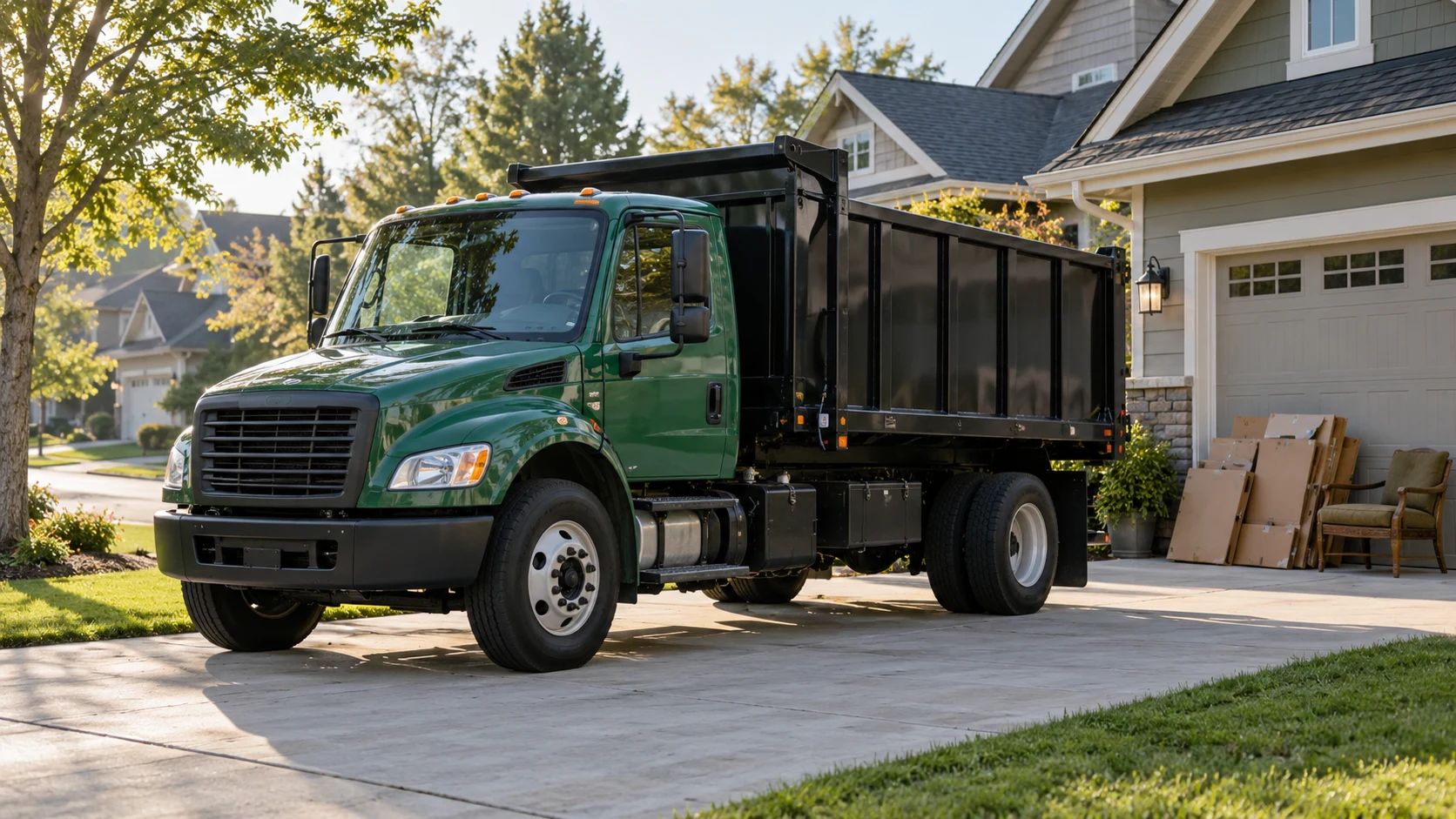
Send a description of the items and the access. A clear scope makes it easier to discuss the pickup and what can be accepted.
Plan a pickup ↗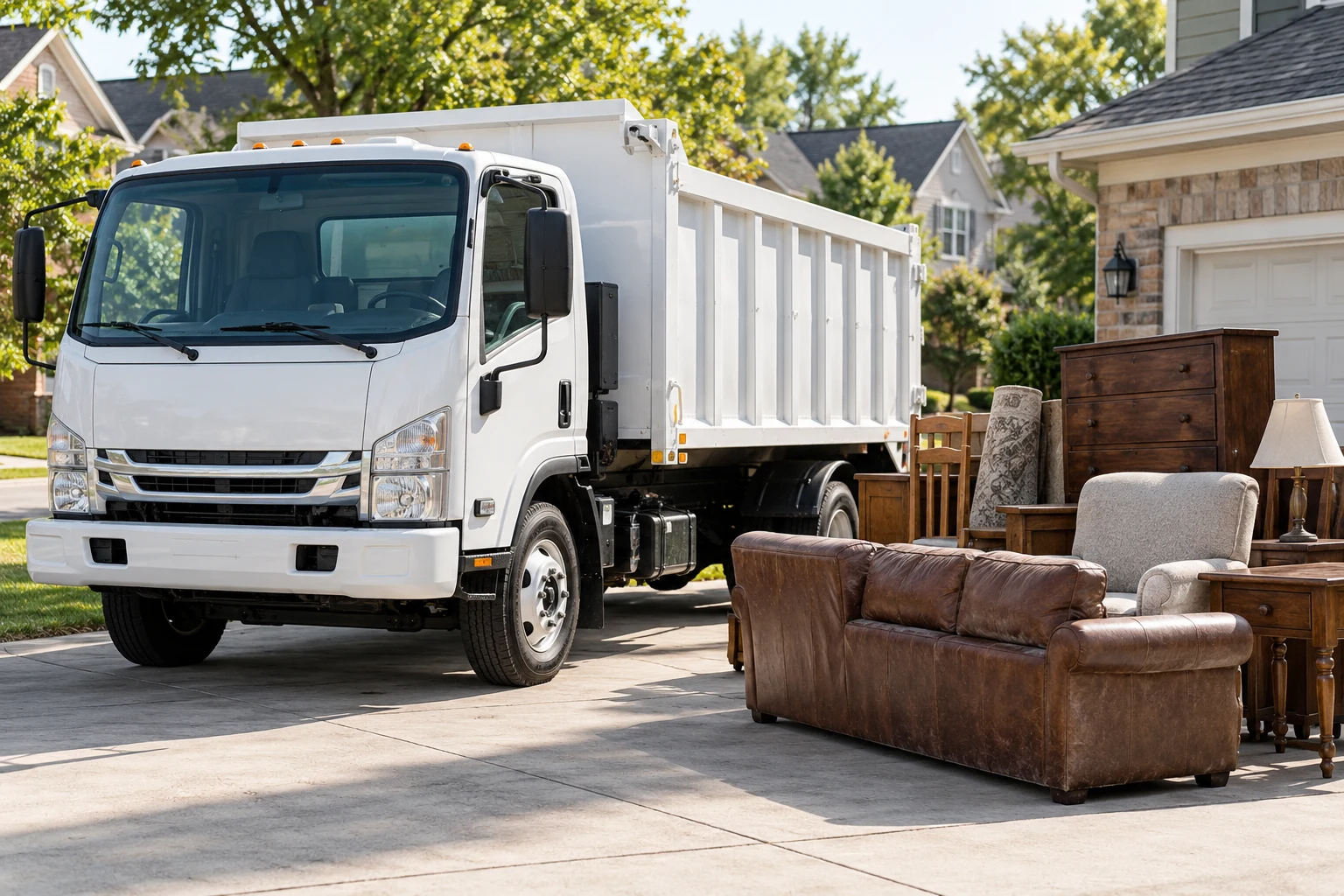
A simple pickup begins with a useful brief.
Share the type and approximate amount you want removed.
Stairs, parking and bulky items help shape the collection plan.
Check accepted materials and handling requirements before pickup.
From a few bulky items to a full clear-out, start with a simple plan to make room again.
Plan pickup for sofas, tables and other bulky household items with access and item condition discussed in advance.
Explore this option ↗Organize a larger clear-out around what is leaving, what stays and how items can be safely accessed.
Tell us more ↗Build a pickup scope for multiple rooms, a move or a property being prepared for its next use.
Start here ↗Confirm the appliance type, location and disconnection requirements before arranging removal.
Explore this option ↗Coordinate desks, chairs and other accepted office items around building access and working hours.
Tell us more ↗Describe materials and approximate volume so acceptance, loading and any restrictions can be reviewed.
Start here ↗Send a description of the items and the access. A clear scope makes it easier to discuss the pickup and what can be accepted.
Local service, planned around you
Plan a pickupA little preparation makes the pickup easier to plan.
List each item and note stairs, narrow doorways or elevator restrictions. Photos help communicate size and condition before the pickup is discussed.
Discuss this direction ↗Separate items you are keeping and identify what is approved to leave. Mention boxed contents and anything that may require special handling.
Discuss this direction ↗Describe the number of rooms, approximate volume and any timing constraints. A larger scope may need a closer review before the load and schedule can be confirmed.
Discuss this direction ↗
Send a description of the items and the access. A clear scope makes it easier to discuss the pickup and what can be accepted.
Share an item list or photos, the pickup location and details such as stairs, elevators or parking.
Review accepted materials, access, preparation and the proposed price before the pickup is confirmed.
Identify the items approved for removal, complete the agreed hauling and review the cleared area together.
List bulky items, mixed materials and anything that needs special handling.
Stairs, parking and distance from the truck influence the pickup plan.
Confirm restricted materials and the agreed disposal route before the visit.
A few practical details to help you plan your next step.
Accepted items need to be confirmed first. Hazardous materials and some specialized items require a different handling or disposal service.
Describe their current location and any stairs or tight access. The agreed pickup scope should make clear where the crew will collect them.
That depends on condition, material and local acceptance options. Donation or recycling should never be assumed for every item.
Share your location, the service you need and a few details about your space or project.
A collection plan built around your space.
List the furniture, contents or debris to remove.
Stairs, parking, entrances and carrying distance.
Identify restricted materials before pickup.
Confirm the agreed items and final area check.
Item size is only part of the pickup plan. Access and handling requirements matter too.
List the items and share photos when possible. Stairs, tight turns and carrying distance help establish how the collection should be organized.
Discuss this need ↗Separate items you are keeping before the appointment. Identify mixed materials so accepted items and any restrictions can be confirmed.
Discuss this need ↗Discuss the collection date, loading access and the kind of debris involved. Confirm special handling requirements before anything is loaded.
Discuss this need ↗Choose your priorities. Add them to the inquiry below so the conversation starts with useful context.
Tell us what you need and what matters most. Start with a few details so the next conversation can be useful.